


Relaxation Techniques to Calm the Mind

In today’s fast-paced world, stress and anxiety have become common companions in our daily lives. Finding effective relaxation techniques is essential for maintaining mental clarity and emotional well-being. This blog post will explore various techniques to calm your mind, providing you with practical and actionable methods to incorporate into your routine.
Relaxation Techniques for Everyday Life
Relaxation techniques can be simple yet profoundly impactful. Incorporating these methods into your daily life can help reduce stress and improve mental health.
Deep Breathing Exercises
Deep breathing is a cornerstone of many relaxation techniques. By focusing on your breath, you can shift your attention away from stressors. Start by inhaling deeply through your nose, allowing your abdomen to expand. Then, exhale slowly through your mouth. Repeat this for five minutes, and notice the calming effect it has on your body.

Progressive Muscle Relaxation
Progressive muscle relaxation involves tensing and then relaxing each muscle group in your body. Begin with your toes, tensing the muscles for a count of five, then releasing them. Work your way up to your head. This technique not only promotes relaxation but also helps in identifying areas of tension in your body.
Guided Imagery
Guided imagery is a technique where you visualize a peaceful scene to escape the pressures of daily life. Consider pairing this with calming music or nature sounds for enhanced effect. You can also try guided meditation for relaxation, where a guide takes you through calming visualizations and promotes relaxation through verbal cues.

The Benefits of Mindfulness Meditation
Mindfulness meditation is not just a trend; it's a powerful technique for reducing anxiety and improving mental clarity. This practice involves paying attention to the present moment without judgment. Research has shown that mindfulness can lower stress levels, improve emotional regulation, and even boost the immune system.
Here’s how to get started with mindfulness meditation:
Find a Quiet Place
Choose a location free from distractions. Sit comfortably, with your back straight and hands resting on your knees or in your lap.
Focus on Your Breath
Close your eyes and focus on your breathing. Pay attention to the sensation of air entering and leaving your body. If your mind wanders, gently guide it back to your breath.
Practice Regularly
Aim for at least 10 minutes daily. Like any skill, mindfulness becomes easier with practice, and over time, you'll notice its benefits.

Nature and Its Calming Effects
Nature has tremendous potential to soothe our minds and reduce stress. Spending time outdoors can promote relaxation and improve mental health. Here are some ways to connect with nature:
Take Nature Walks
Whether it's a hike in the woods or a stroll through a park, being in nature can help clear your mind and boost your mood. Aim for regular walks in green spaces, which can significantly improve your well-being.
Gardening
Gardening can be a therapeutic way to connect with the earth. Digging in the dirt, planting seeds, and watching them grow can provide a sense of purpose and peace.
Aromas from Nature
Nature's scents can enhance relaxation. Consider using essential oils or candles that capture fresh scents like pine, lavender, or citrus to bring the calming effects of nature indoors.
Creative Outlets for Relaxation
Engaging in creative activities can also serve as a powerful relaxation technique. Here are a few creative outlets to consider:
Journaling
Writing down your thoughts and feelings can be therapeutic. It allows you to process emotions and clear your mind. Try setting aside a few minutes each day to jot down your thoughts.
Art and Crafting
Engaging in art can provide a sense of relaxation. Whether it’s painting, knitting, or coloring, these activities can help take your mind off stress and allow for self-expression.
Music Therapy
Listening to calming music can lower stress levels and promote relaxation. Create a playlist of your favorite soothing tracks and play it during moments when you need to unwind.
Incorporating Relaxation Techniques into Your Routine
Building a relaxation routine can promote consistency in managing stress. Here are tips on how to incorporate relaxation techniques effectively:
Set Aside Time Each Day
Aim for 10-15 minutes daily to practice relaxation techniques. Schedule this time on your calendar just like any meeting or appointment.
Create a Relaxation Space
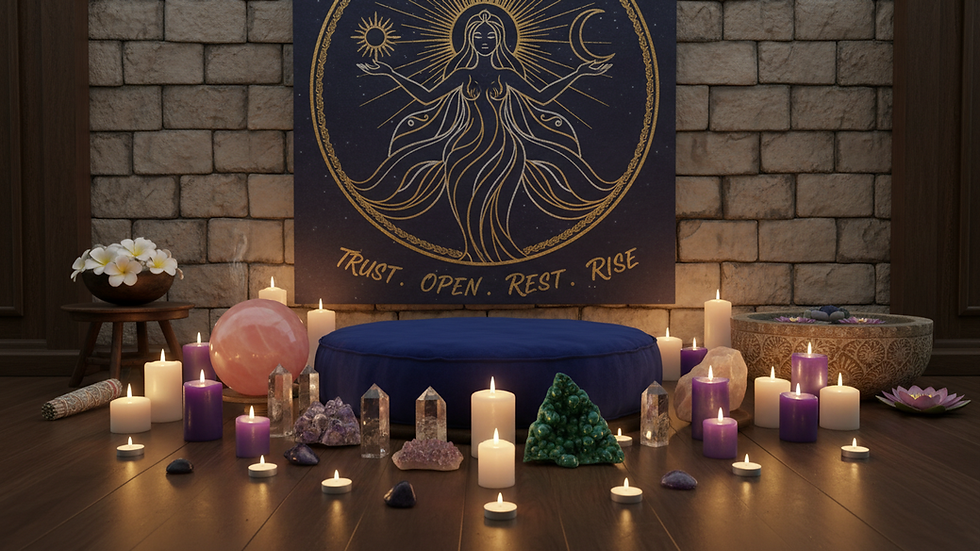
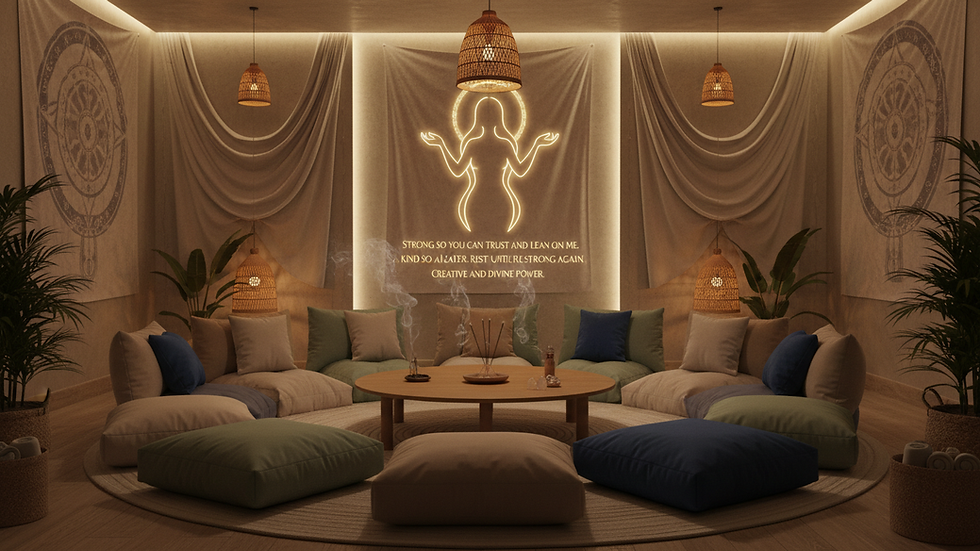
Designate a calming corner in your home for relaxation activities. This space can be adorned with plants, comfortable seating, and soothing decor.
Try New Techniques
Mix up your routine by introducing new relaxation methods. If you find that you’re getting bored, exploring options like yoga or tai chi can keep your practice fresh and engaging.
Embracing a Relaxation Mindset
Ultimately, the key to mastering relaxation techniques is mindset. Recognize that it's okay to take a step back and prioritize self-care. Consider these approaches:
Be Patient
Change takes time. Be patient with yourself as you learn new techniques. The more you practice, the better you will become.
Accept What You Cannot Control
Focus on your response to stressors rather than trying to change the situation. Acceptance can reduce anxiety levels, allowing for greater calmness.
Seek Support
Remember that you do not have to navigate stress alone. Reach out to friends, family, or professionals for support when needed.
Explore Different Relaxation Techniques
As you explore various techniques, remember that not every method will work for everyone. Be open to experimenting. You might find that a combination of techniques works best for your lifestyle.
By incorporating these relaxation techniques into your daily life, you can cultivate a calmer mind and lessen the burden of stress. Start today, and experience the benefits of a more relaxed and balanced life.

Comments