


Embracing Meditation for Healing, Empowerment and Transformation

Updated: Aug 19
Meditation is more than just sitting quietly. It is a tool for deep healing and transformation. When I meditate regularly, I create space to observe my thoughts and emotions without judgment. This awareness helps me identify old patterns and fears that no longer serve me.
Why Meditation Practices Are Essential for Transformation
The benefits of daily meditation are profound. Here are some key advantages:
Reduced stress and anxiety
Improved focus and clarity
Enhanced emotional resilience
Greater self-awareness and intuition
Healing from past traumas and limiting beliefs
For those struggling with addictions, fear, or self-doubt, meditation can be a lifeline. It empowers you to rewrite your internal programming and step into a new version of yourself—one that is confident, successful, and free.
How to Start Meditation Practices in Your Daily Routine
Starting a meditation practice doesn’t require hours of your day or special equipment. The key is consistency and intention. Here are practical steps to help you begin:
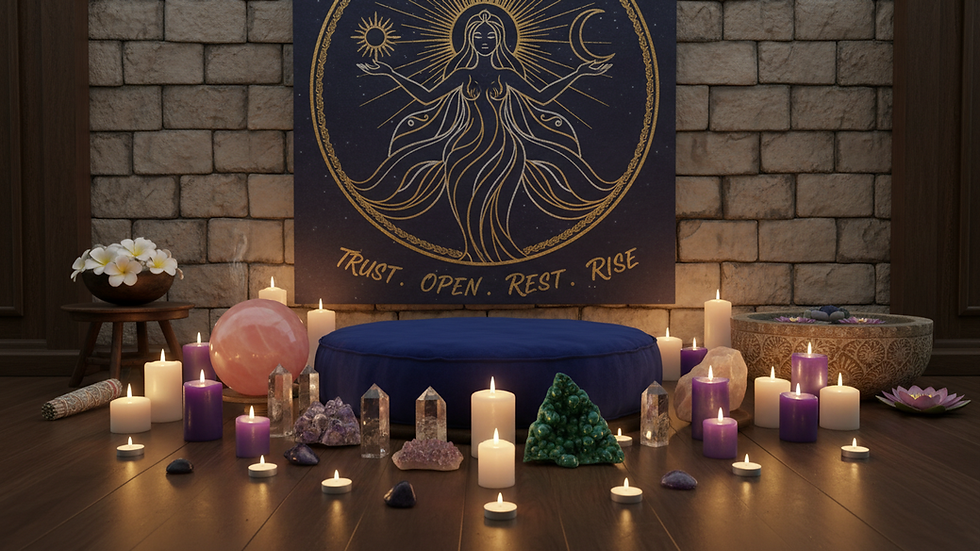
Choose a quiet space where you won’t be disturbed. It could be a corner of your room or a spot in nature.
Set a specific time each day, even if it’s just 5-10 minutes. Morning or evening works well for many.
Get comfortable—sit on a cushion, chair, or lie down if needed.
Focus on your breath or use a simple mantra to anchor your attention.
Be gentle with yourself—if your mind wanders, gently bring it back without judgment.
Over time, you can increase your meditation duration and explore different techniques like mindfulness, visualization, or loving-kindness meditation.

What Do You Do in a Guided Meditation?
Guided meditation is a wonderful way to deepen your practice, especially if you are new or find it challenging to meditate alone. In a guided meditation, a teacher or recording leads you through the process step-by-step. This can include:
Instructions on breathing and posture
Visualization exercises to relax the body and mind
Affirmations or healing messages to reprogram limiting beliefs
Moments of silence for personal reflection
Guided meditation helps you stay focused and provides a supportive structure to explore your inner world. It can be especially powerful for healing emotional wounds and releasing fear-based energy.
If you want to experience the benefits of guided meditation practices, consider joining a class or using online resources that resonate with your spiritual journey.
Tips for Maintaining Consistency and Overcoming Challenges
Many people start meditating with enthusiasm but struggle to maintain the habit. Here are some tips to help you stay committed:
Create a ritual: Light a candle, play soft music, or use essential oils to signal the start of your practice.
Use reminders: Set alarms or notes on your phone to prompt meditation time.
Be flexible: If you miss a session, don’t judge yourself. Simply return to your practice the next day.
Join a community: Meditating with others can provide motivation and support.
Track your progress: Keep a journal to note how meditation affects your mood, energy, and mindset.
Remember, meditation is a journey, not a destination. Each session is an opportunity to heal and grow.

Integrating Meditation with Your Daily Life and Goals
Meditation is not just a separate activity; it can be woven into every aspect of your life. Here’s how to integrate it for maximum impact:
Start your day with intention: Use meditation to set positive goals and affirm your worth.
Use mindful pauses: Take short meditation breaks during work or stressful moments to reset your energy.
Combine with movement: Practice walking meditation or yoga to connect body and mind.
Reflect before sleep: Meditate to release the day’s tension and prepare for restful sleep.
Apply insights: Use the clarity gained from meditation to make empowered decisions in relationships and career.
By making meditation a natural part of your lifestyle, you upgrade your mental, emotional, and physical game. This holistic approach supports lasting success and fulfillment.
The Transformative Power of Meditation
Embracing meditation practices daily is a powerful step toward healing your past and transforming your future. With patience and dedication, you can break free from struggle and step into a life filled with peace, clarity, and empowerment.
Meditation is not just about finding calm; it’s about unlocking your potential. It’s about stepping into a life that feels grounded, connected, and aligned. When I meditate, I tap into a deeper part of myself, allowing my true essence to shine through.
Start today, and watch how your world begins to shift. You deserve to live a life that feels fulfilling and vibrant. Embrace the journey of meditation, and let it guide you toward your highest self.
You might also like, Meditation & Retreats in Fremont, CA | Healing Bodies Healing Souls


Comments