


How to Choose the Right Meditation Practice for You

Meditation is a powerful tool that can help you find calm, clarity, and tranquility in a hectic world. With a variety of practices available, it can be overwhelming to decide which one is right for you. This post will guide you through the different choices and factors to consider when selecting your optimal meditation practice.
Understanding Meditation Practices
Meditation is not a one-size-fits-all approach. There are numerous meditation practices, each designed to address different needs and preferences. Finding the right practice is essential for reaping the benefits of meditation, whether you seek to reduce stress, enhance focus, or cultivate a deeper sense of self-awareness.

It is important to explore various methods to see what resonates with you. Some individuals prefer guided sessions, while others may enjoy the solitude of an unguided practice. Understanding the core differences will aid you in making an informed choice.
Exploring Different Meditation Techniques
When discussing meditation, it's crucial to familiarize yourself with the various techniques available. Here are a few key meditation practices:
Mindfulness Meditation: This practice involves focusing your attention on the present moment without judgment. It can be done anywhere and at any time, making it highly accessible.
Transcendental Meditation: A specific form of silent mantra meditation, this technique requires training through a certified instructor. It promotes deep relaxation and stress relief.
Loving Kindness Meditation (Metta): This practice focuses on developing compassion and love towards oneself and others through affirming phrases.
Zen Meditation (Zazen): Typically performed seated, this practice emphasizes mindful breathing and has roots in Buddhist traditions.
Guided Visualization: This method involves visualizing calming imagery or scenarios, often led by a guide or recorded session.

Each of these meditation techniques caters to different needs. Consider what you hope to achieve through your practice, as this will play a big role in which technique to choose.
Assessing Your Goals and Preferences
Before you embark on your meditation journey, take a moment to reflect on your personal goals. Are you looking to reduce anxiety? Enhance focus? Improve emotional health? Maybe you simply want to relax.
Having a clear intention can streamline your search for the right meditation practice. For example, if anxiety reduction is your primary goal, mindfulness meditation may work best for you, as it teaches you to stay grounded and present.
Additionally, consider your preferred environment and routine. Do you enjoy structured classes or the flexibility of self-guided sessions? Would you prefer to meditate indoors or outdoors? Identifying your preferences will help you determine the best setting for your practice.

Finding the Right Environment
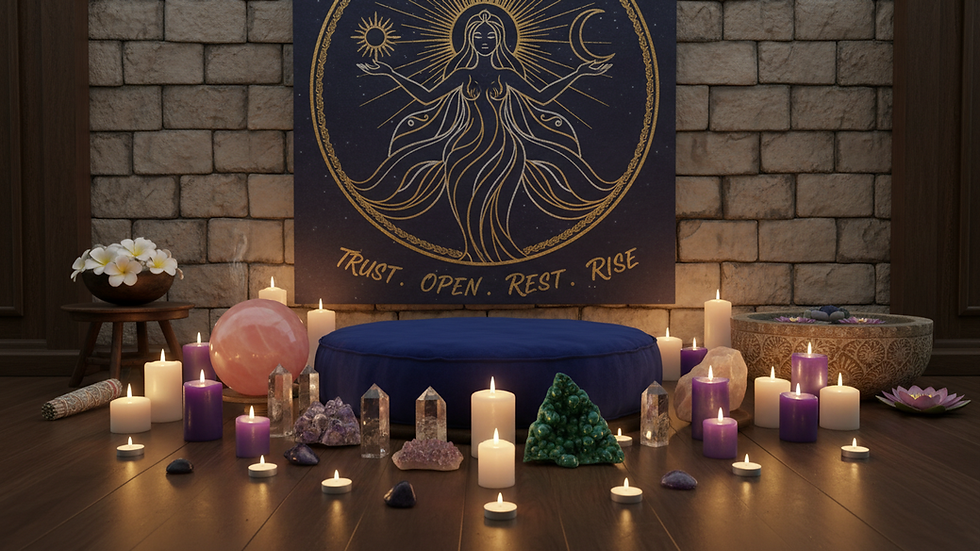
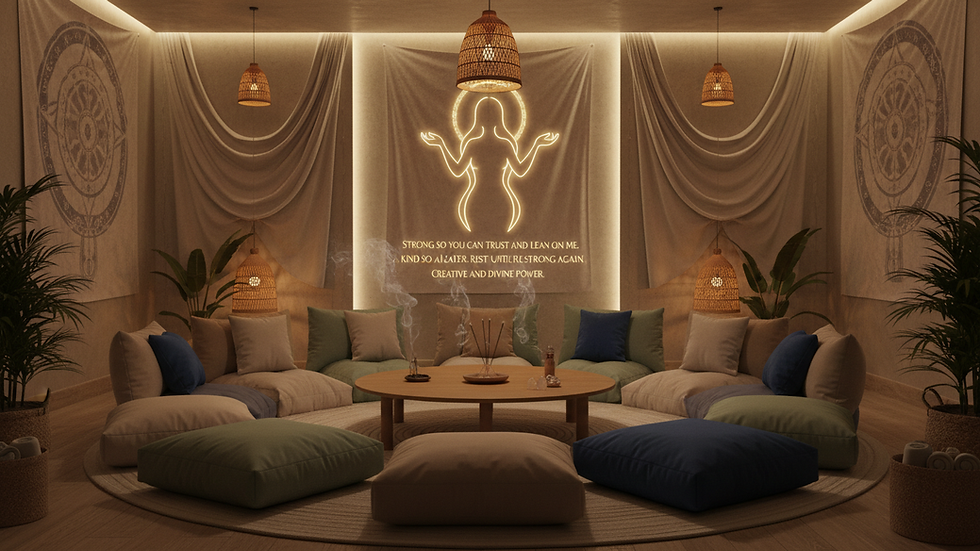
The space where you meditate plays a significant role in the effectiveness of your practice. Ideally, you want to create a serene, distraction-free environment that fosters relaxation and focus. Here are a few tips for setting up your meditation space:
Choose a Quiet Area: Look for a room in your home that is away from distractions and noise. You may consider setting up a meditation corner in your bedroom or living room.
Add Comfort: Use cushions, mats, or even a chair that supports good posture. Your comfort can significantly enhance the experience.
Incorporate Natural Elements: Plants, soft lighting, or calming colors can make your space more inviting. You can even add incense or essential oils for an additional sensory layer.
Limit Technology: Ensure your devices do not distract you. Consider turning off notifications or leaving your phone in another room.
By creating a conducive environment, you can enhance the quality of your meditation experience, making it easier to establish a meaningful practice.
Trying Different Meditation Styles
Sometimes the only way to find the right meditation practice is through experimentation. Don’t hesitate to try various styles before settling on one. You may discover that certain practices resonate with you at different times in your life.
Consider attending local classes or look for online resources to explore various techniques. Engaging with a community can be particularly motivating and provide additional insights into the practice.
As you explore, keep an open mind. Many people find that their initial preferences change over time, leading them to new methods that better suit their evolving needs. You can also visit this link to learn about the different meditation styles and further explore your options.
Committing to Your Meditation Journey
Once you’ve chosen a meditation practice that feels right for you, it’s essential to commit. Like any skill, meditation requires regular practice to unlock its full benefits. Here are a few tips to support your commitment:
Set a Routine: Schedule your meditation sessions at the same time every day. Whether it’s in the morning, during lunch, or before bed, consistency will help you establish a habit.
Start Small: If you’re new to meditation, begin with just a few minutes daily. Gradually increase the duration as you become more comfortable.
Be Patient: Results may not be immediate. Allow yourself time to adapt and grow into your practice.
Celebrate Progress: Keep track of your journey and acknowledge your growth. This can motivate you to continue your practice.
Meditation is a personal and powerful journey that can greatly impact your well-being. By understanding your goals, exploring different techniques, and committing to your practice, you can cultivate a meditation routine that enhances your life.
Final Thoughts on Your Meditation Practice
Choosing the right meditation practice is an essential step on your journey to mindfulness and self-discovery. By understanding the various techniques available, assessing your goals, and creating a supportive environment, you can find a practice that resonates with you. Remember, the key is to remain open and adaptable as you navigate your meditation journey.
With patience and persistence, you can transform your meditation practice into a rewarding and enriching part of your everyday life. Embrace this journey, and allow it to enhance your mental clarity, emotional balance, and overall well-being.

Comments