


Understanding the Basics of Energy Healing

Updated: Jul 6
Energy healing has become increasingly popular in recent years as people seek alternative and complementary methods to support their physical, emotional, and spiritual well-being. At its core, energy healing is based on the idea that everything in the universe is made up of energy, including our bodies. By working to balance or restore this energy, practitioners can help others achieve a state of harmony and health.
What is Energy Healing?
Energy healing encompasses various modalities and practices that focus on the unseen energy fields that exist around and within us. It operates on the premise that disturbances or imbalances in these energy fields can lead to illness, stress, or emotional turmoil. By aligning or clearing these energies, practitioners aim to facilitate healing and promote overall health.
Some of the most well-known types of energy healing include:
Reiki: A Japanese technique that uses gentle touch or no touch to promote relaxation and healing.
Pranic Healing: Involves utilizing the body's innate ability to heal itself by manipulating the energy in the body's aura.
Qigong: An ancient Chinese practice that integrates physical movement, breathing techniques, and meditation.
Sound Healing: Uses sound waves, such as singing bowls or tuning forks, to create a calming and healing environment.
These practices, among others, are often simple yet profound, making them accessible to individuals looking for alternatives or complements to traditional medical approaches.

The Science Behind Energy Healing
Energy healing may seem abstract or ungrounded in scientific evidence, but there is a growing body of research exploring its effects on health and wellness. Studies have shown that various energy healing techniques can help reduce pain, improve sleep, and decrease anxiety.
For example, a study published in the Journal of Evidence-Based Complementary & Alternative Medicine found that participants receiving Reiki reported a significant reduction in pain levels after just a few sessions. Moreover, practitioners assert that as energy flows freely, the body can better respond to healing.
Additionally, quantum physics offers intriguing perspectives that may support energy healing. The idea that everything vibrates and has a frequency aligns with energy healing principles. When energy becomes blocked or stagnant, it can lead to physical or emotional challenges.
What Happens During Reiki Healing?
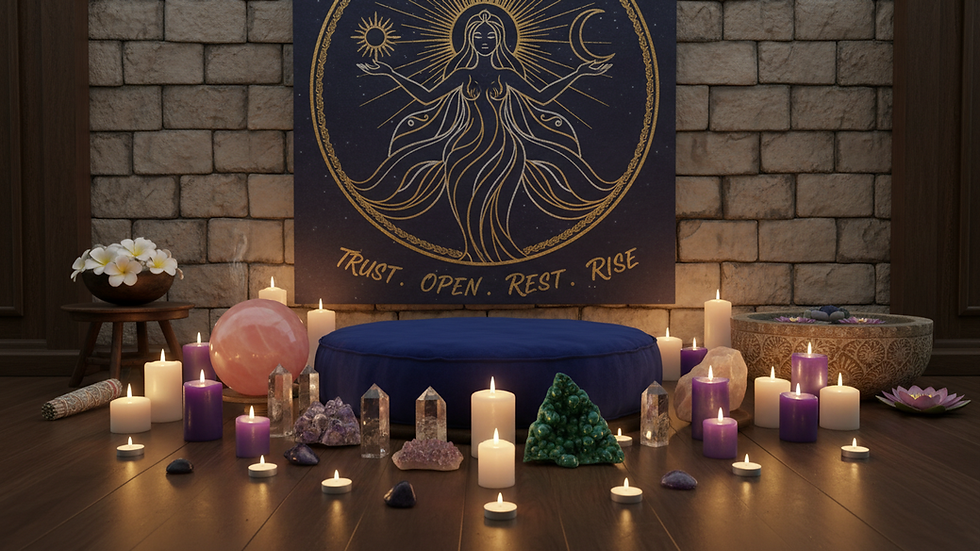
During a typical reiki healing session, the practitioner creates a calm environment, often using soothing music or dim lighting. Clients may lie down fully clothed, and practitioners may either use light touch or hover their hands above the body.
The session typically involves several stages:
Assessment: The practitioner tunes into the client's energy field to assess blockages or imbalances.
Channeling: The practitioner channels energy through their hands to the client, aiming to balance chakras and foster relaxation.
Closing: The session ends with grounding techniques, ensuring that the client feels centered and relaxed.
Sessions usually last between 30 minutes to an hour. Most clients report feeling deeply relaxed, with many experiencing a sense of warmth or tingling throughout their bodies.

The Benefits of Energy Healing
Energy healing can offer various benefits that can positively impact health and quality of life. Here are some of the potential benefits of energy healing practices:
Stress Reduction: Many energy healing techniques, including Reiki, focus on inducing a relaxation response, helping individuals cope better with stress.
Emotional Clarity: By clearing emotional blockages, clients often report improved clarity and a deeper understanding of their feelings.
Physical Pain Relief: Energy healing can complement traditional treatments, alleviating pain and discomfort in various conditions.
Better Sleep: Clients often find that energy healing helps improve sleep quality, leading to overall better health.
Increased Vitality: Many practitioners report enhanced energy levels and an overall sense of vitality after sessions.
Each individual's experience may vary, yet the heart of energy healing lies in personal transformation and empowerment.

How to Get Started with Energy Healing
If you are interested in exploring energy healing, here are some practical steps to help you get started:
Research Different Modalities: Explore various energy healing practices and find the one that resonates most with you.
Find a Qualified Practitioner: Look for certified practitioners in your area. Read reviews and seek referrals to ensure a positive experience.
Set Intentions: Before a session, consider what you want to achieve from the experience. Setting intentions can enhance the effectiveness of the healing process.
Be Open-Minded: Approach energy healing with an open heart and mind. While the experience might feel unfamiliar, stay receptive to whatever arises.
Practice Self-Care: Complement energy healing sessions with regular self-care practices such as meditation, yoga, or journaling to maximize your overall well-being.
Energy healing can be a valuable part of a holistic health approach. Whether addressing physical ailments, emotional challenges, or simply seeking relaxation, energy healing holds potential for many individuals.
Embracing Your Healing Journey
As with any healing practice, it is essential to prioritize your comfort and intuition. If you feel drawn to energy healing, trust that intuition and explore!
Energy healing is not a replacement for medical care but rather a supportive method that can work alongside traditional therapies. Always consult a healthcare provider when dealing with serious health concerns, particularly if you are considering integrating energy healing practices into your routine.
Ultimately, energy healing can empower individuals to take control of their health, bridge emotional gaps, and foster a deeper connection to themselves and the universe. Whether you are a skeptic or a curious participant, the realm of energy healing invites exploration and personal growth.
As you step into the world of energy healing, remember: healing is a journey, not a destination. Each session offers opportunities for learning, introspection, and self-discovery. Trust in your process, and allow the energy to flow!
The Path to Empowerment
Energy healing is more than just a practice; it’s a pathway to empowerment. By engaging in these transformative experiences, I invite you to step out of the shadows of your past. Healing the past is crucial for moving forward. It allows us to question our programs and upgrade our mental, physical, and emotional game.
When we embrace energy healing, we begin to dismantle the barriers that hold us back. We learn to regulate our nervous systems and release emotional patterns that no longer serve us. This journey is about stepping into a life that feels grounded, connected, and aligned.
Conclusion
In conclusion, energy healing is a powerful tool for anyone looking to enhance their well-being. It offers a unique blend of relaxation, emotional clarity, and physical relief. As I guide you through this journey, remember that you are not alone. Together, we can explore the depths of your potential and unlock the doors to a more fulfilling life.
Let’s embark on this transformative journey together, and step into a life filled with confidence, clarity, and connection.


Comments